

Diraq quantum technology targets AI’s growing energy appetite
Published Date : 2026-October-22, Thursday
The rapid expansion of artificial intelligence is creating
an equally rapid increase in electricity demand which will put strain on
generation networks. Australian quantum computing company Diraq believes part
of the solution could lie in changing how some of the hardest computing tasks
are performed.
AI servers are becoming increasingly power hungry. A single AI rack can consume around 30–100 kW, while some next-generation systems are expected to exceed 1 MW. Globally, electricity supplied to data centres is projected to rise from about 460 TWh in 2024 to +1,000 TWh by 2030.
Sydney-based Diraq argues quantum computers could eventually reduce some of this demand by taking on specialised calculations that conventional computers and AI systems perform inefficiently.
One example is electricity-grid optimisation. As increasing amounts of wind, solar, batteries and other resources connect to the grid, determining the best way to operate the system becomes a complicated mathematical problem. Quantum computers could potentially tackle some of these calculations much more efficiently.
But there is a catch: quantum computers themselves can require considerable electricity.
Some quantum technologies need increasingly large amounts of cooling and other supporting equipment as the number of quantum bits, or “qubits”, increases. That could eventually produce systems consuming tens of megawatts.
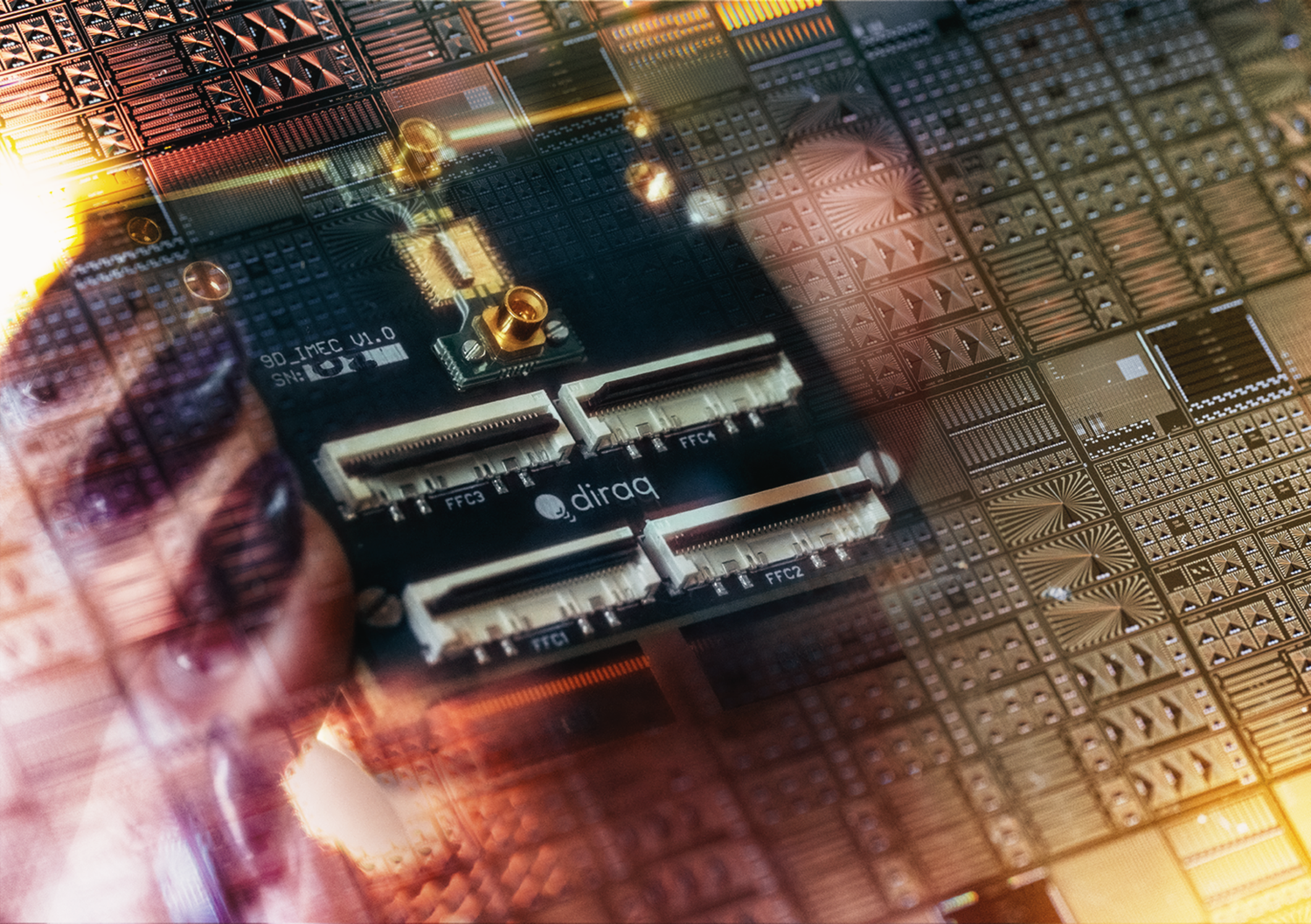
Diraq is pursuing a different approach. Its qubits are manufactured using silicon semiconductor technology and are extremely small, allowing many more to be packed onto a chip rather than requiring the surrounding infrastructure to expand at the same rate.
The company estimates a future utility-scale Diraq quantum computer, including the conventional computing equipment needed to operate it, could consume about 300 kW.
An early version of that technology is now providing an Australian test case.
Diraq is installing an eight-qubit quantum computer inside an Equinix data centre in Sydney. The complete system, including its cryogenic cooling and control equipment, will consume less than 20 kW and operate alongside conventional servers. It will be the first silicon-spin quantum computer deployed in a shared commercial data centre.
Diraq stresses that this small system is not yet capable of replacing commercial AI workloads. Instead, it is testing how quantum computers can eventually operate alongside conventional and AI computing infrastructure.
Diraq is leading an Australian Government-backed consortium involving AEMO, UNSW Sydney, Macquarie University and OPAL-RT investigating whether quantum computing can improve optimisation of increasingly complex electricity networks. The project received $500,000 through the Critical Technologies Challenge Program.
If successful, quantum computing could therefore have a double energy benefit: helping data centres avoid some exceptionally energy-intensive calculations while also helping electricity networks manage the growing volumes of renewable generation supplying them.